

The Hidden Flaws in the UK’s Community Toilet Scheme
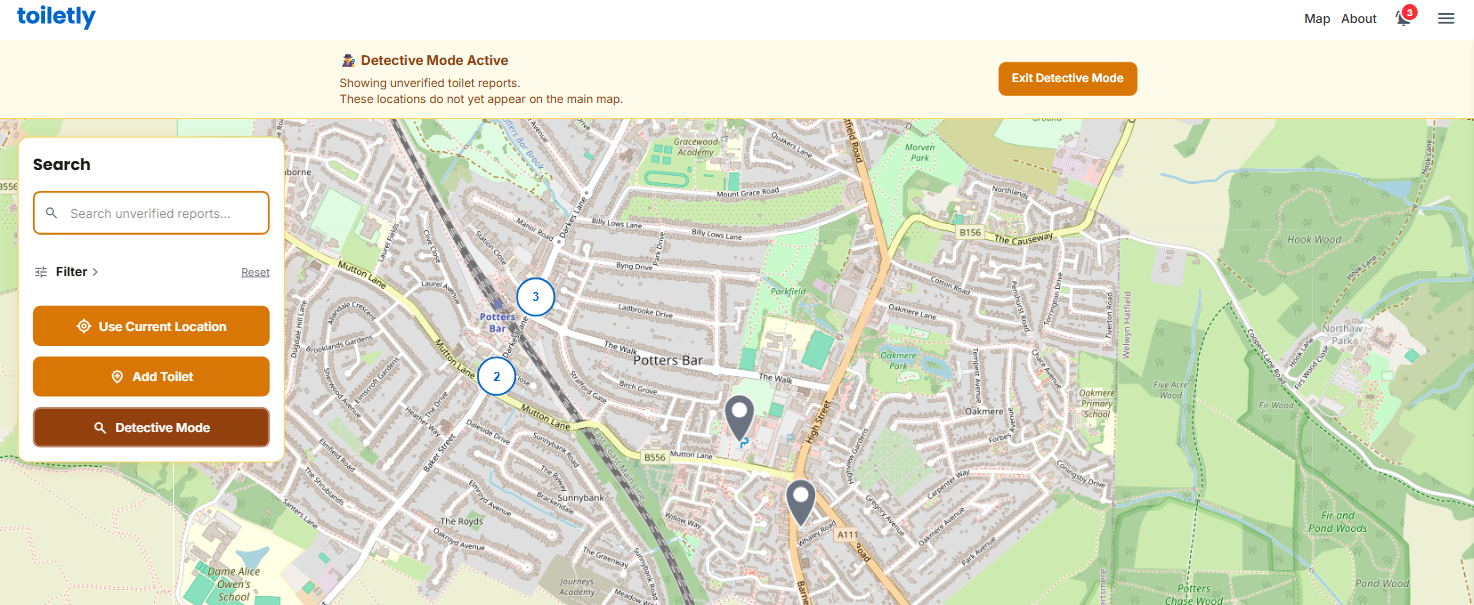
The Community Toilet Scheme was meant to solve Britain’s public loo crisis — but poor visibility, minimal support, and weak promotion have left most people unaware it exists. While councils list venues online and hand out small stickers, few ever notice. Toiletly offers a smarter, modern alternative: free listings, clear signage, and in-app incentives that finally make the scheme work for everyone.

Emma Rodriguez
The Hidden Flaws in the UK’s Community Toilet Scheme
Local councils across the UK have introduced the Community Toilet Scheme (CTS) to fill the gap left by closures of traditional public conveniences. On paper, it’s a clever idea — partner with local cafés, pubs, and shops so the public can use their toilets for free, improving access while supporting small businesses.
Yet despite good intentions, many schemes fail to achieve their goals. Councils rarely promote them effectively, participating businesses often see little benefit, and the public remains largely unaware the scheme exists. This article explores the pitfalls — and how platforms like Toiletly can help fix them.
1. A Great Idea with Almost No Visibility
The Community Toilet Scheme is usually promoted via a small page on a council’s website listing participating venues. While this is well-meaning, it’s also largely ineffective. When people need a toilet urgently, they don’t browse council pages — they open Google Maps or ask their phone. That’s why these local schemes reach only a fraction of the people who could benefit. [1]
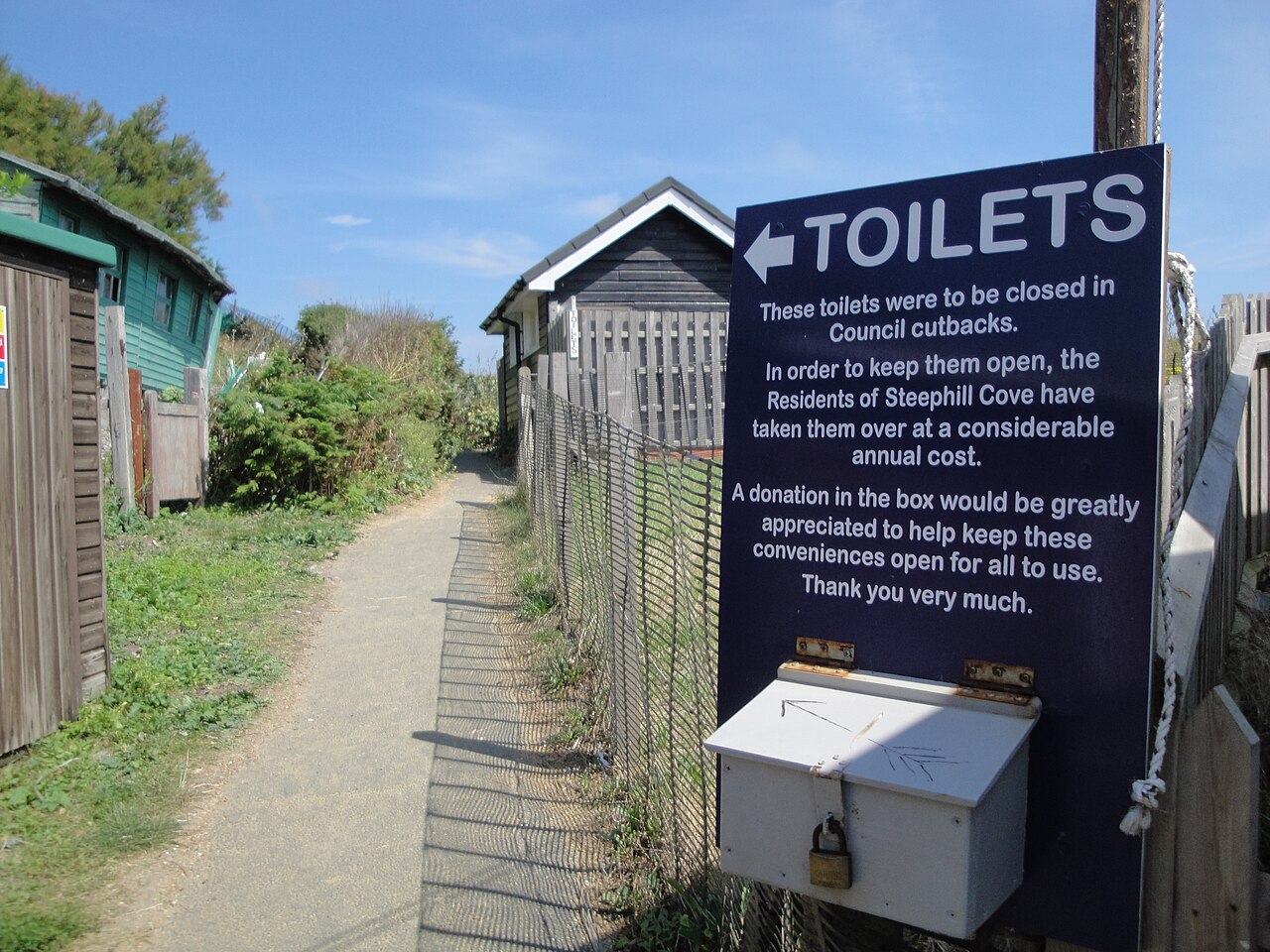
In many towns, there’s no signage in public spaces, no printed maps, and no consistent branding. A single sticker in a shop window often goes unnoticed, and the lack of a central searchable directory means visitors and tourists are left guessing. Councils that only advertise scheme members on their websites create a digital dead-end — visible only to the already informed. [2]
2. Funding Is Welcome, but Support Is Missing
Many councils pay participating businesses a modest annual grant — typically £300-£800 — to cover cleaning and maintenance costs. This is a generous gesture, but it’s often where the support stops. Businesses receive one small window sticker, a brief email about the scheme, and little else. [3]
Without proper marketing materials, joint promotion, or advice on how to use CTS membership to attract customers, businesses see minimal benefit. The idea that participation “may help footfall” remains vague, and most cafés and pubs never capitalise on the opportunity. [4]
In some towns, businesses even report that the funding doesn’t fully offset their costs — meaning the only sustainable solution is to make scheme membership part of their local marketing strategy. But few councils provide the resources or training to make that happen. [5]
3. Resistance from Businesses
Councils frequently struggle to recruit venues. In parts of Northern Ireland, only a handful of cafés agreed to join, citing safety, cleaning, and insurance concerns. In Portadown and Lurgan, a similar plan stalled after local traders “pooh-poohed” the idea — describing the funding as inadequate and the expectations unrealistic. [6]
When councils treat community toilets as a simple box-ticking exercise rather than a managed partnership, participation inevitably stalls. Without proper incentives or recognition, businesses may view it as extra work rather than a civic contribution.
4. Awareness Makes or Breaks the Scheme
A scheme can include dozens of participating toilets, but if residents and visitors don’t know they exist, it fails in practice. Research in London found that well-promoted schemes — with consistent branding, online maps, and clear signage — were far more successful. [7]
In contrast, schemes that rely only on static council webpages remain virtually invisible. The key takeaway is simple: awareness drives usage, and usage drives success.
5. How Toiletly Can Help
At Toiletly, we’re proud to build on the foundations laid by earlier initiatives such as the Great British Toilet Map, which played a vital role in putting public toilet access on the national agenda. Our goal is to carry that work forward — adding fresh data, new technology and deeper collaboration with councils. Toiletly can be thought of as the natural evolution of those efforts: a live, continuously updated platform designed for today’s users and communities.
Toiletly is available everywhere — as a modern website, an installable progressive web app, and native Android and iOS applications. We already power the UK’s fastest-growing toilet directory, reaching thousands of Google search impressions every single day and climbing rapidly as awareness spreads.
- Wider reach: Councils can list all their Community Toilet Scheme members on Toiletly for free, giving their local schemes visibility on every device — from desktop browsers to mobile apps.
- Richer data: Like the Great British Toilet Map, Toiletly lists key details such as accessibility, opening hours, and baby-change availability — but we go further. Our listings include information on sanitary disposal, Changing Places facilities, men’s disposal units, showers, and even drinking water access, alongside user-uploaded photos, media, ratings and reviews.
- Better visibility: We can replace or supplement outdated council web lists entirely, ensuring up-to-date locations appear on a searchable national map, optimised for Google and Apple Maps results.
- Real-world signage and materials: Toiletly supplies larger, non-profit signage packs — including window decals, table talkers and posters designed to catch the public’s eye.
- In-app incentives: Businesses can offer discounts or digital reward codes directly through Toiletly, turning public toilet access into a chance to encourage visitors to stay for a coffee or meal.
By connecting councils, businesses and the public in one unified platform, Toiletly delivers the accessibility, awareness and engagement the original schemes always aimed for — finally making the UK’s toilet network visible, usable and future-proof.
We’re actively inviting local authorities to collaborate with us to bring their Community Toilet Schemes into wider public view. If your council operates or plans to launch a scheme, we’d love to help make it discoverable and effective. Visit our contact form to get in touch — we’ll handle the integration and support at no cost to the council.
Conclusion
The Community Toilet Scheme is one of the UK’s most well-intentioned civic ideas — but it’s failing quietly through lack of visibility and strategic support. With digital integration, smarter marketing, and genuine partnership, the scheme could thrive again. Toiletly is here to help make that happen.
References
- BBC News – Community toilet schemes expanding but still poorly known (2024)
- Conwy Council – Community Toilet Scheme information page
- Rhyl Journal – Plan to pay businesses £500 a year to provide public toilets
- BBC News – Councils say schemes may boost footfall but offer limited support (2024)
- Age UK London – London Loos in Focus report
- Armagh I – Council toilet scheme not flushed with success
- Toiletly – UK’s largest public toilet directory