

UK Council-run Public Toilets: A Decline and What It Means
Across the UK, hundreds of council-run public toilets have quietly vanished — victims of funding cuts, vandalism, and a lack of statutory protection. What began as a proud Victorian innovation is now an overlooked crisis of dignity and accessibility. From older people trapped by the “loo leash” to tourists avoiding town centres, Britain’s shrinking toilet network tells a wider story about how we value public space — and who it’s really for.

Michael Goodall
Public toilets are often invisible until you really need them. But for millions of people in the UK, being caught short has become far more likely. Across England, Scotland, Wales and Northern Ireland, local authorities are scaling back their operation of public conveniences — and with it, a key piece of civic infrastructure is quietly slipping away.
📜 A Brief History of Public Toilets in Britain
The story of public toilets in the UK stretches back to the Victorian era. As Owen Hatherley wrote in the London Review of Books: “The first flushing public toilets were installed at the Great Exhibition in 1851, but the first permanent public toilets for women weren’t installed until 1893 (on the Strand, if you’re wondering).”
Under the Public Health Act 1936, local authorities were given the power (but crucially not the duty) to provide public toilets.
Throughout the 20th century, these conveniences were considered part of the fabric of towns and cities — from seaside resorts to city centres — enabling mobility, tourism, and public life. However, by the turn of the 21st century the cracks were showing.
📉 What the Numbers Say: The Decline in Provision
Here are some of the key statistics that illustrate the scale of the issue:
- Between 2018/19 and 2023, a sample of 45 councils reported the number of public toilets falling from 531 to 459 — a 14% drop in just five years. (Liberal Democrats analysis, 2024)
- A 2024 survey by the Association for Public Service Excellence (APSE) found that 34.15% of responding authorities said their provision of public toilets had decreased or significantly decreased since 2012.
- The British Toilet Association reports that since around 2000 the number of public toilets has fallen by about 40%.
- In Scotland, across 18 councils, there has been a 21% decrease between 2007 and 2023 in the number of public toilet facilities. (Scottish Liberal Democrats, 2023)
As The Guardian reported: “Cash-strapped councils have closed a fifth of conveniences, leaving some people with no choice but to stay close to home.”
🧭 Why Are They Closing? Key Drivers
The decline doesn’t happen in a vacuum. Several key drivers explain why councils are retreating from public toilet provision:
- Budget and funding pressures: Local authorities are under significant financial strain, and public toilets are a non-statutory service (i.e., there’s no legal duty to provide them). (Parliamentary Report, 2008)
- Vandalism, anti-social behaviour and maintenance costs: The APSE 2024 survey found vandalism and lack of resources as the top reasons for closures.
- Changing use patterns and town centre decline: With fewer people on high streets and more online shopping, councils claim usage is lower. (SW Londoner, 2024)
- No statutory obligation: Because councils aren’t legally required to provide them, public toilets are often cut first when budgets tighten.
As the British Toilet Association put it: “Public toilets should be considered as essential as streetlights, roads and waste collection.”
🌍 Who’s Affected – The Broader Impacts
When public toilets close or are restricted, many groups are disproportionately affected:
- Older people and those with health conditions — often feel unable to leave home without reliable facilities. (Age Action Alliance, 2023)
- Women and families with young children — fewer toilets mean longer queues, less baby-changing provision, and reduced accessibility.
- Tourism and town centre vitality — inadequate facilities deter visitors and lower local economic activity. (London Society, 2023)
- Public health & hygiene — street fouling and reduced hygiene standards affect community wellbeing. (Healthmatic, 2024)
One phrase that’s emerged is the “loo leash” — where people restrict outings due to fear of being caught short. (SW Londoner)
🧮 Case Studies & Local Contexts
A few local examples illustrate the issue clearly:
- In a Highland village, public toilets were closed “with immediate effect” after repeated vandalism and high repair costs. (BBC News)
- In a seaside town, campaigners launched a “Save Our Public Toilets” petition after disabled-accessible loos were shut to save money.
🔍 What Are Councils Doing Instead?
In response to funding cuts, some councils are exploring new models:
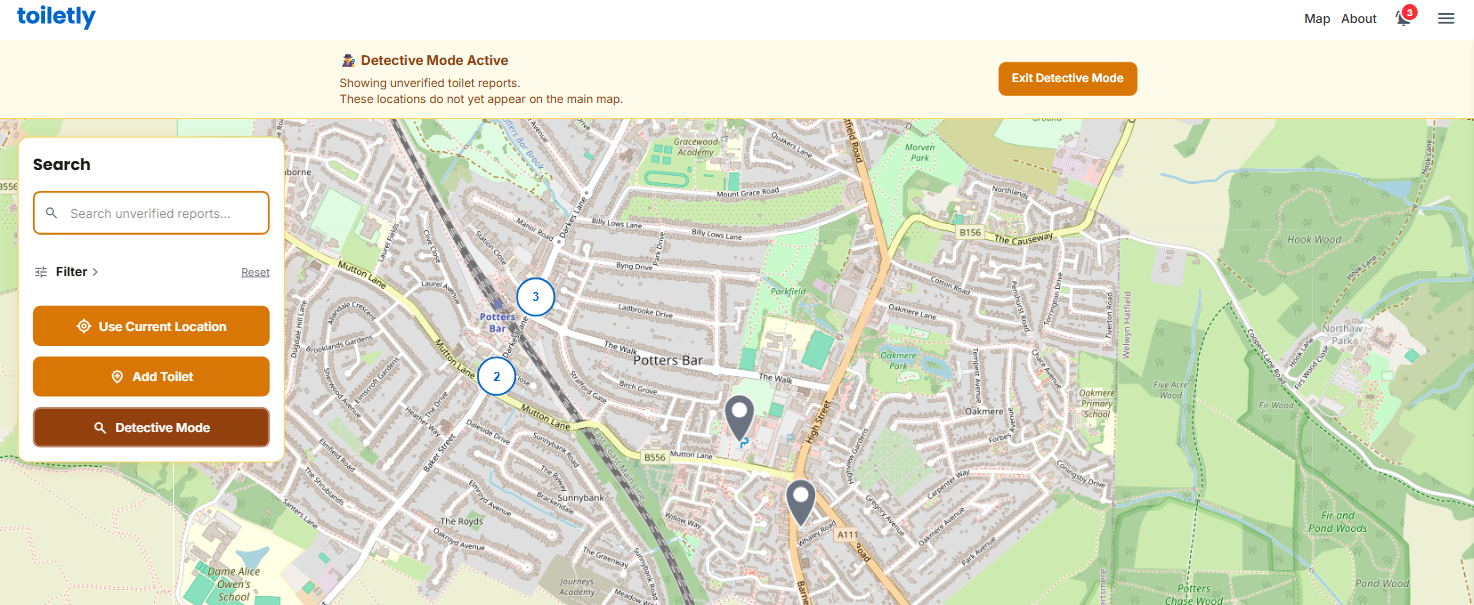
- Community Toilet Schemes — where businesses open their facilities to the public with council support. (Wikipedia)
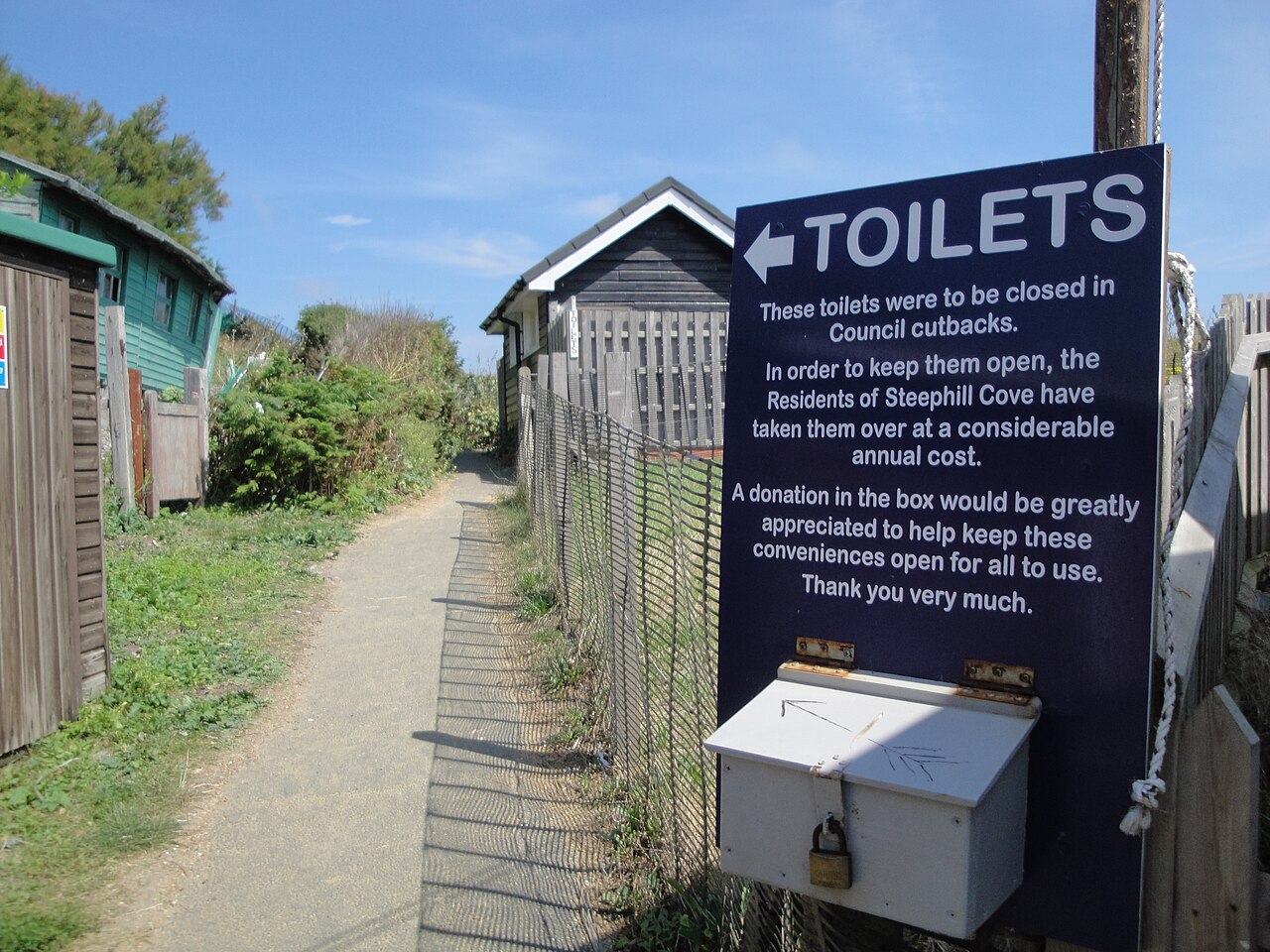
- Transfer to community or charitable management — handing control to local groups or town councils. (APSE, 2024)
- Investing in priority sites — refurbishing accessible toilets at transport hubs or tourist hotspots with government grants.
- Limited hours or pay-to-use models — introducing small fees or restricted hours for sustainability.
The BTA “Legalise Loos” campaign argues that piecemeal fixes aren’t enough — a statutory duty is essential.
📌 What Should Be Done: Policy Recommendations
- Introduce a statutory duty requiring councils to provide public toilets. (Parliamentary Committee Report, 2008)
- Create a national public toilet fund to help maintain, refurbish and reopen facilities. (Lib Dems, 2024)
- Integrate toilet provision into town centre regeneration, tourism and high-street recovery plans.
- Ensure universal accessibility through compliance with Changing Places standards.
- Collect and publish national data on public toilet availability, accessibility, and condition.
📝 Conclusion: Why This Matters
The decline in council-operated public toilets isn’t just a matter of convenience — it touches on dignity, equality, and community life. Older adults, parents, disabled people, and those with medical needs are most affected.
As the BTA reminds us: “Public toilets should be considered as essential as streetlights, roads and waste collection.” Their loss signals a retreat from inclusive public space.
Yet hope remains — through awareness, advocacy and new models of funding, Britain could rebuild a public toilet network fit for all.